
Date: 16 September 2026
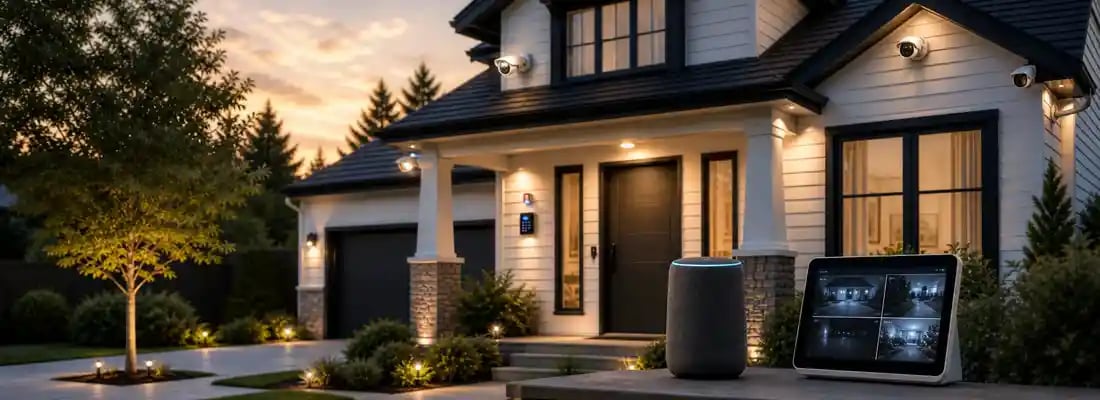
A secure home in the 21st century needs more than just a strong front door lock. With our homes increasingly connected through smart devices, we have to update how we protect them, covering both physical and digital weak spots. Real security isn't about one gadget or a complex password; it's a thoughtful, layered plan that protects your property, your data, and the people living there. This means looking past old methods and embracing a more complete view of what it means to be safe at home.

The Layers of Home Security
Good security, whether for a company network or a family home, is built in layers. Imagine a medieval castle's defenses: you have the moat, the high walls, and the guards inside. For a modern house, this idea means three main protection zones. First is the perimeter, which is your property line. Motion-activated lights, clear landscaping that removes hiding spots, and visible cameras can stop potential intruders before they even get to your door.
The next layer is the house itself. This means strengthening entry points with strong locks on doors and windows, putting security film on glass, and installing door and window sensors connected to an alarm system. The final layer is the inside, where motion, smoke, and water leak sensors keep constant watch. Each layer works to slow down and detect a threat, giving you more time to react.
Digital Defenses for Your Network
Your home's Wi-Fi network is the digital front door for all your connected devices. If it's not secure, every smart lightbulb, camera, and thermostat could become an entry point for cyber threats. The first and most important step is to secure your router. This means immediately changing the default administrator username and password when you set it up. You should also turn on the strongest encryption available, usually WPA3, and make sure your router's software is always up to date to fix any security holes.
For more detailed advice, government resources offer excellent home network security tips. With more people working from home, it's also vital to secure employee home routers and protect both personal and company data. Using a strong, unique password for your Wi-Fi and setting up a guest network for visitors can further separate your main devices from potential risks.

Physical Safety in the Smart Home
Smart home technology goes far beyond convenience and just detecting intruders; it offers powerful tools for personal safety within your home. Connected smoke and carbon monoxide detectors can send alerts straight to your phone, telling you about danger even when you're not there. Smart water sensors placed near washing machines or water heaters can prevent huge damage by finding leaks early.
This network of sensors also makes a safer environment for vulnerable family members, like seniors who want to live independently. While a smart speaker can call for help, a dedicated and reliable life alert system gives a more direct link to emergency services with just the press of a button. These devices are made to be easy to use and dependable, ensuring help can be called during a fall or medical event when getting to a phone isn't possible. This focus on personal well-being is a key part of a complete home protection plan.
Integrating Security Solutions
Just having a bunch of individual smart devices doesn't automatically create a secure system. The trick is to connect them. Using a central smart home hub or platform lets your devices talk to each other and work together. For example, you can set up a routine where a triggered door sensor automatically turns on lights, shows camera feeds on your TV, and sends an alert to your phone. This coordinated response is much more effective than a single, isolated alert.
However, this connection also needs careful management. When picking a platform, choose one from a trusted company that provides regular security updates. Be careful about the permissions you give to different apps and services that link to your hub. A poorly secured third-party app could become the weak spot that exposes your entire smart home system to an attacker.

Future-Proofing Your Residence
The world of technology and its threats are always changing. Making your home security ready for the future isn't about buying the most expensive gear, but about always staying alert. When you buy new smart devices, check the manufacturer's policy on security updates. A cheap, unsupported device could become a problem later on.
Stay informed about new security practices and be ready to adjust. For instance, as artificial intelligence becomes more common in security cameras, you'll get smarter alerts that can tell the difference between a person, a car, and a stray animal. Regularly checking your own digital habits, like how you manage passwords and review device permissions, will keep your defenses strong against tomorrow's threats.
Protecting your home is an ongoing process of managing both physical and digital risks. Layering your defenses and carefully connecting technology helps you create a safer environment for your property and your family.

.webp)