Date: 6 August 2026
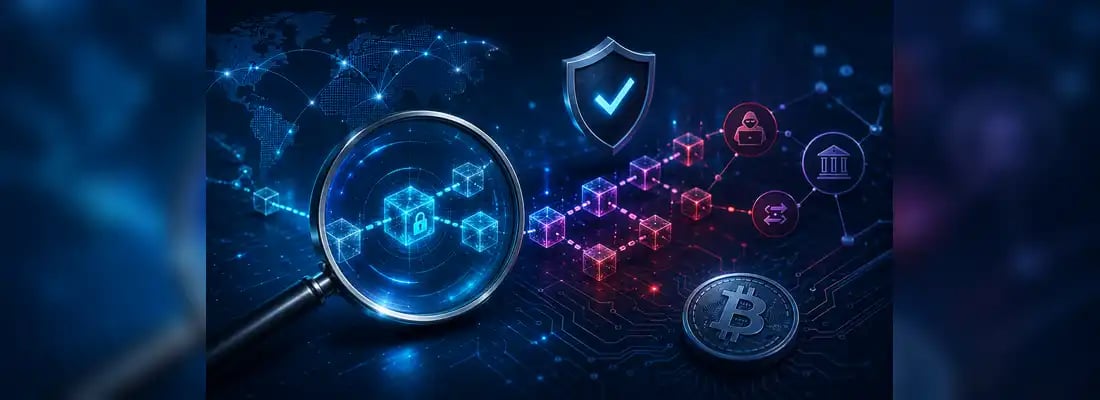
In the modern cybersecurity landscape, the aftermath of a breach often leads incident responders down a complex, cryptographic rabbit hole. Whether dealing with a debilitating ransomware attack, the theft of corporate intellectual property, or state-sponsored corporate espionage, the underlying financial settlement layer for today’s cyber criminals relies almost exclusively on blockchain technology.
For years, threat actors operated under the assumption that decentralized digital ledgers provided a cloak of absolute anonymity. However, the cybersecurity paradigm is shifting. The very technology that was once considered a safe haven for illicit finance is now becoming the ultimate tool for digital forensics. But to weaponize this transparency, security operations center (SOC) teams, threat hunters, and forensics investigators need more than just legacy infrastructure; they need the next generation of blockchain explorers.
The Blind Spot in Traditional Threat Intelligence
To understand the necessity of advanced blockchain forensics, we must first understand the limitations of early-generation tools. A traditional block explorer functions much like a public search engine for a specific digital ledger. If you input a transaction hash or a wallet address, it will return the raw data: a sender, a receiver, a timestamp, and an amount.
While technically accurate, this raw data is functionally useless for a cybersecurity analyst attempting to track a ransomware syndicate in real-time. Legacy explorers only display alphanumeric strings. When a cyber criminal group extorts an enterprise and moves the digital ransom through a series of automated smart contracts, decentralized exchanges, and cross-chain bridges, a traditional explorer quickly loses the trail. The raw data provides no context, no attribution, and no actionable threat intelligence.
Furthermore, modern cyber crime syndicates operate with enterprise-level sophistication. According to reports from the Internet Crime Complaint Center (IC3), the financial impact of ransomware and digital extortion continues to shatter records annually. To launder these massive sums, threat actors use "mixers" to obfuscate funds and rapidly swap assets across entirely different blockchain networks. A traditional cybersecurity posture that treats blockchain as a blind spot leaves organizations entirely defenseless once funds leave the corporate perimeter.

The Evolution: AI-Driven Entity Clustering
The next generation of blockchain explorers bridges the critical gap between raw on-chain data and actionable cybersecurity intelligence. Rather than forcing analysts to manually map out thousands of transactions on a whiteboard, these modern platforms use artificial intelligence, machine learning, and advanced heuristic algorithms to perform "entity clustering."
Entity clustering is the process of grouping thousands - or even millions - of disparate, alphanumeric wallet addresses and attributing them to a single real-world entity. When a modern blockchain intelligence platform analyzes the ledger, it doesn’t just see random strings of characters; it identifies centralized exchanges, sanctioned entities, darknet markets, and known threat actor infrastructure.
By using a next-generation blockchain explorer, investigators can instantly de-anonymize the flow of funds. If a corporate network is compromised and a ransom is paid, analysts can track the exact movement of that capital in real-time. They can set up automated alerts to notify law enforcement the moment the stolen funds touch a regulated financial institution (such as a centralized exchange with Know Your Customer protocols), effectively freezing the assets before they can be cashed out into fiat currency.
Core Cybersecurity Applications for Modern Explorers
The integration of advanced blockchain analytics into standard cybersecurity workflows is no longer optional; it is a critical requirement for comprehensive threat management. Here is how modern enterprises and forensic teams are deploying these tools:
1. Incident Response and Post-Breach Forensics
When a breach occurs, the immediate focus is on containment and eradication. However, the post-incident phase requires tracing the exfiltrated value. Next-generation explorers allow incident response teams to perform deep taint analysis, following the digital footprint of threat actors across multiple blockchains. This capability has led to the successful recovery of billions of dollars in stolen digital assets globally, transforming incident response from a purely defensive action into an offensive asset recovery mission.
2. Open-Source Intelligence (OSINT) and Threat Hunting
Proactive threat hunting relies heavily on OSINT. Cybersecurity analysts can use advanced blockchain platforms to monitor the active wallets of known ransomware-as-a-service (RaaS) operators. By analyzing the inbound and outbound transaction flows of these groups, threat intel teams can identify the geographical focus of the attackers, the size of their operations, and even their affiliate networks. This intelligence can be fed back into corporate security systems to update indicators of compromise (IoCs).
3. Regulatory Compliance and Third-Party Risk Management
Cybersecurity is intrinsically linked to regulatory compliance. Federal mandates and guidelines, such as those published by federal ransomware task forces, strictly prohibit enterprises from facilitating payments to sanctioned entities. Next-generation blockchain explorers serve as a vital compliance mechanism, allowing organizations to screen counterparty addresses against global sanctions lists (like the U.S. Treasury’s OFAC list) before any transactions occur, mitigating the risk of massive regulatory fines.

A Data-Driven Defense
The narrative that blockchain technology is an untraceable playground for cyber criminals is fundamentally false. Public digital ledgers are, by definition, the most transparent and immutable financial records ever created. Every transaction, every obfuscation attempt, and every laundering hop is permanently recorded for anyone to see.
The challenge has never been a lack of data; the challenge has been legibility. The next generation of blockchain explorers solves this problem by translating cryptographic code into human-readable threat intelligence. As the global economy becomes increasingly digitized, the intersection of cybersecurity and blockchain forensics will only deepen. For Chief Information Security Officers (CISOs), incident responders, and compliance teams, mastering these next-generation analytical tools is essential to maintaining a resilient, proactive, and comprehensive defense posture in the digital age.
.webp)