
Date: 28 July 2026
Chargebacks used to sit neatly in the payments or finance column. A customer disputed a transaction, the merchant gathered evidence, the processor reviewed the case and the business absorbed the cost if the dispute was lost. That view now feels outdated.
A chargeback can point to more than one unhappy customer. It can reveal stolen payment details, account takeover, weak checkout controls, confusing billing descriptors, refund-policy gaps or poor transaction records. For high-risk merchants, those patterns can quickly threaten revenue, processor relationships and operational stability.
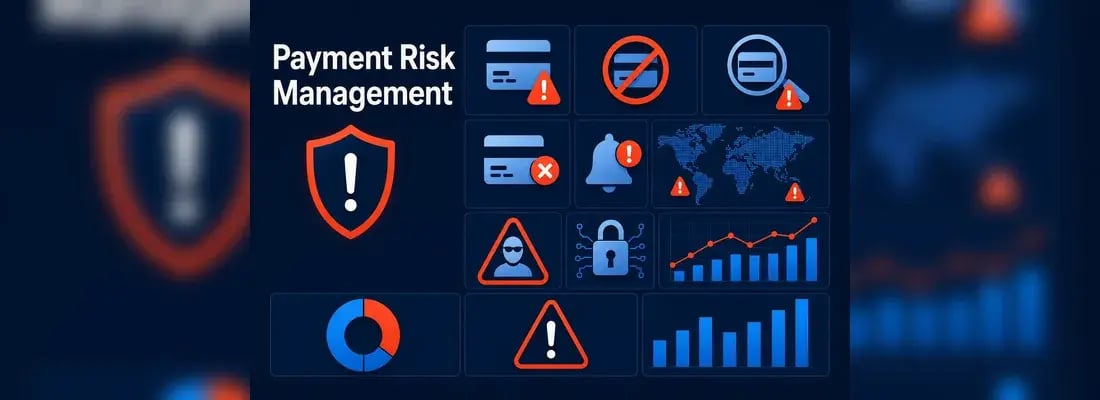
Modern payment risk management depends on reading fraud signals and dispute activity together. When security, finance, compliance and customer operations treat chargebacks as shared intelligence, they get a clearer view of where risk is building before it becomes a larger business problem.

Why Chargebacks Belong in the Risk Conversation
Chargebacks are often treated as financial leakage, but the root cause is frequently operational. A dispute may begin with a cardholder, yet the trail can lead back to fraud screening, identity checks, customer support, fulfilment records or the way a merchant explains charges after purchase.
That makes chargeback data useful well beyond the finance team. Security teams can use dispute patterns to identify suspicious account behaviour, repeated payment attempts, unusual order velocity or signs of card testing. Compliance and risk teams can review whether policies are clear enough to reduce avoidable disputes. Operations teams can see where delivery evidence, refund handling or customer communication needs improvement.
The strongest payment risk programmes treat every chargeback as a data point. Some disputes are legitimate customer complaints. Others involve friendly fraud, policy abuse or criminal activity hidden inside normal transaction volume. The value comes from knowing the difference quickly and having enough evidence to act with confidence.
Reading Fraud Signals Through Dispute Patterns
Fraud rarely announces itself through one isolated event. It usually appears as a pattern: a cluster of failed payment attempts, repeated purchases from the same device, mismatched billing and shipping details, sudden spikes in order value or disputes tied to the same product category.
Chargeback reviews should sit close to fraud monitoring for that reason. A mature payment risk programme connects dispute reviews with broader payment fraud prevention strategies so teams can see where fraud signals and customer friction overlap.
Some disputes are preventable long before they reach the chargeback stage. Clear billing descriptors, stronger authentication, better order confirmation, faster support responses and consistent fulfilment records can reduce confusion and strengthen a merchant’s position when a dispute does occur.

High-Risk Merchants Have Less Room for Error
Some business models attract closer scrutiny because disputes can rise quickly. Subscription billing, travel bookings, digital goods, gaming, CBD, adult products or services and other card-not-present environments often face higher fraud exposure and more customer misunderstanding around charges, renewals or refund terms.
For these merchants, chargebacks can affect far more than a single transaction. A rising dispute ratio can increase processing costs, trigger reserve requirements or put a merchant account under review. That pressure makes prevention a business continuity issue as much as a payments issue.
High-risk merchants usually need fraud screening, dispute evidence, refund visibility and chargeback prevention solutions working as one operating rhythm. The goal is not to block every suspicious transaction at the expense of good customers. The goal is to spot risk earlier, respond faster and keep clean evidence to defend legitimate sales.
Payment Risk Is Becoming More Integrated
Card networks, acquirers and processors are paying closer attention to the relationship between fraud and disputes. A merchant with weak fraud controls may see more unauthorised transactions. A merchant with poor fulfilment records or unclear billing may see more customer disputes. From the outside, both issues point to the same concern: higher payment risk.
The Visa Acquirer Monitoring Program reflects that shift by treating fraud and dispute activity as connected indicators of payment performance. This puts more pressure on merchants and their payment partners to manage the full transaction lifecycle, from checkout to post-purchase support.
The practical lesson is clear. Fraud data and chargeback data should not live in separate silos. When those signals are reviewed together, teams can identify whether the problem sits in criminal activity, customer experience, policy clarity, fulfilment operations or evidence collection.

Building a Clearer Risk Picture
A stronger chargeback process starts with ownership. Someone needs to review dispute reasons, compare them against fraud alerts, check support records and trace the transaction journey from checkout to delivery. Without that shared view, teams can end up treating symptoms while the real cause keeps producing new disputes.
The most effective controls are often practical rather than dramatic. Clear billing descriptors reduce confusion. Stronger authentication helps stop unauthorised purchases. Order confirmations, delivery records and refund logs create evidence. Customer support notes show whether the merchant tried to resolve the issue before it became a formal dispute.
Chargebacks will never disappear completely, especially for higher-risk business models. The aim is to reduce preventable losses, identify suspicious patterns earlier and keep payment operations stable. When businesses treat chargebacks as risk intelligence, they can protect revenue without turning every transaction into a point of friction.
Turning Disputes Into Risk Intelligence
The merchants best prepared for the new reality of payment risk management are the ones that learn from disputes instead of simply reacting to them. A chargeback can show where fraud controls failed, where customer expectations were unclear or where internal records were too thin to defend a valid transaction.
That makes chargeback review a useful part of cyber resilience planning. It gives teams a recurring way to test whether checkout controls, authentication rules, support workflows and evidence trails are holding up under real pressure.
Chargebacks will always carry a financial cost, but they can also sharpen a merchant’s understanding of risk. When fraud signals, dispute data and operational records are reviewed together, businesses gain a clearer path to stronger payment performance and more resilient customer transactions.
.webp)


.webp)